


Summary
- Cataracts cannot currently be reversed without surgery, but early symptoms may sometimes be managed with updated glasses, better lighting and regular monitoring.
- Lifestyle habits such as UV protection and better nutrition may help prevent cataract progression by improving your overall eye health.
- When cataracts begin to significantly affect daily activities or vision correction no longer helps, cataract surgery may be recommended.
Cataracts are a common cause of vision changes, especially as we age. If your vision has started to feel more blurred or dim, you might be wondering whether surgery is the only solution or if there are other ways to manage it first.
While cataract surgery is the only treatment that removes the cloudy lens, non-surgical measures may help manage symptoms during the early stages. Understanding these options can help you decide when monitoring is appropriate and when surgery may be necessary.
Understanding Cataracts
Imagine waking up and feeling as though a thin, waxy filter has been placed over your eyes. You might find yourself cleaning your glasses more often, only to realise the “smudge” isn’t on the lens, but inside your eye.
A cataract forms when proteins within the eye’s natural lens begin to break down and clump together, causing the once-clear lens to become cloudy. For the full picture on what causes cataract in Singapore and how it develops, see our complete guide.

How Lens Clouding Develops Over Time

In a healthy eye, the lens is made mostly of water and proteins arranged in a way that keeps it transparent. This allows light to pass through effortlessly so you can see the fine details.
As people age, these proteins can gradually change and lose their organised structure. When this happens, light passing through the lens becomes scattered rather than sharply focused, leading to the cloudy appearance associated with cataracts.
Because this process usually develops slowly over several years, many people don’t notice the “fog” rolling in until it begins to interfere with their daily activities.
How Cataracts Reduce Vision Clarity
When the lens becomes cloudy, light entering the eye cannot reach the retina as effectively. This can lead to:
- Blurred or hazy vision
- Glare, especially at night
- Halos around lights
- Reduced contrast and colour dullness
In day-to-day life, this might mean:
- Needing brighter light to read comfortably
- Colours looking duller, as if a filter has been placed over your vision
- Struggling to recognise faces clearly from a distance

Typical Cataract Symptoms
Cataract symptoms vary depending on the severity of the lens clouding. However, they usually share a common theme: a loss of visual confidence. Depending on how the lens is clouding, you may notice:
Blurred or cloudy vision
Sensitivity to bright light or glare
Frequent changes in glasses prescription
Not sure whether what you’re noticing points to cataract? Read our full guide to the causes and symptoms of cataract in Singapore.
Non-Surgical Cataract Treatment Options in Singapore
Although cataracts cannot currently be reversed without surgery, it might not always be the first step. For many cataract patients in Singapore, the early stages are about adaptation. Think of this phase as a partnership between you and your eye specialist to manage your symptoms, including coexisting issues such as refractive errors and dry eyes.
However, the best path forward depends on how much the cloudiness is beginning to “shrink” your world, which is why a professional eye assessment is essential.
Prescription Glasses
In the beginning, managing a cataract can be as simple as updating your glasses or contact lens prescription. For example, you may notice that a stronger prescription helps you read more clearly or see road signs better.
Adding an anti-glare (anti-reflective) coating to your spectacles may also help reduce reflections, glare, or halos from headlights, screens, or overhead lighting.
However, as cataracts progress, you may find that these updates offer “diminishing returns,” signalling that the cataract is moving past the point where external lenses can help.

Vision Aids
When updated prescriptions no longer give you enough clarity for close-up tasks, magnifying aids can help you manage day-to-day activities more comfortably. Common options include:
- Handheld magnifiers for reading labels or menus
- Stand magnifiers that rest on a page for more stable, longer reading
- Electronic magnifiers that enlarge text on a screen and may enhance contrast

Rather than correcting how light enters the eye or treating the cataract directly, these tools can be a temporary solution. Magnifying aids enlarge what you’re looking at, so you may find them useful for reading fine print, sewing, or using your phone.
Improving Lighting and Visual Contrast
Cataracts act like a filter that absorbs light. Thus, better lighting can make a noticeable difference for individuals with mild cataracts.
Simple adjustments may include:
Positioning lamps to reduce shadows
Increasing contrast when reading or using digital screens
Eye Drops for Symptom Relief
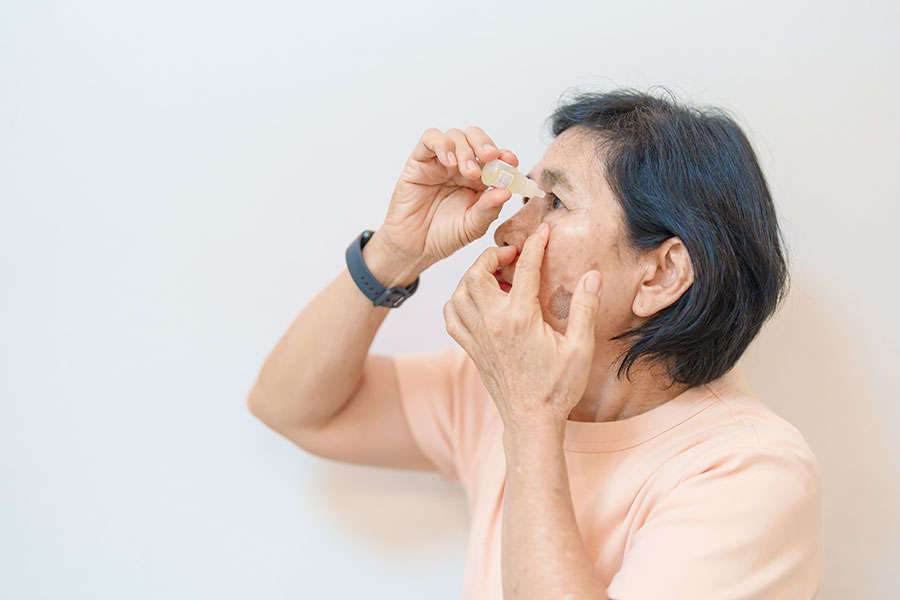
It is common for ageing eyes to feel a bit tired, and some lubricating drops can provide comfort by soothing dryness. When your eyes feel less irritated, your overall vision often feels clearer and less strained.
However, eye drops have not been proven to “cure” cataracts, either by removing them or reversing lens clouding and any products marketed as such are not endorsed by ophthalmologists. These eye drops are based on early and limited research, including:
- Lanosterol-based compounds, which showed promise in animal studies, have not demonstrated effectiveness in humans.
- Antioxidant drops such as N-acetylcarnosine (NAC), which are supported only by small or low-quality studies.
- Older formulations like pirenoxine, which may have limited effects in very early cataracts, but do not reverse lens clouding
These are not established or clinically proven treatments for cataracts globally or in Singapore. Here’s why:
- Eye drops do not penetrate deeply enough into the lens, where cataracts form.
- Cataracts involve structural changes to lens proteins that cannot currently be reversed with medication.
Lubricating drops can still play a role in improving comfort, but they do not treat the cataract itself. Instead of delaying proper treatment by exploring these options, you should get a proper eye examination and doctor-recommended cataract treatment in Singapore.
Regular Eye Specialist Monitoring
If your cataracts are mild and not significantly affecting your daily activities, your eye doctor may recommend monitoring the condition over time. This allows you to continue your normal activities while keeping track of any changes in your vision over time.
Lifestyle Changes for Slowing Cataract Progression
While lifestyle measures cannot eliminate cataracts, some habits may potentially slow their progression and support overall eye health.
UV Protection and Sunglasses Use
In Singapore’s sunny weather, our eyes are constantly exposed to intense ultraviolet (UV) rays, which can accelerate cataract progression. Therefore, protecting our eyes is crucial for long-term eye health.
Some measures include:

Nutritional Support for Eye Health
A balanced diet that includes antioxidants and essential nutrients may help maintain healthy eyes.
A practical way to approach this is to:
You may also come across supplements marketed to “dissolve” or reverse cataracts. However, this has not been clinically proven, and these claims are often based on marketing. While good nutrition plays a role in maintaining your eye health, it does not replace medical treatment for cataracts.
Managing Diabetes and Other Health Factors
Certain health conditions, such as diabetes, are associated with a higher risk of cataracts.
Maintaining good control of blood sugar levels and managing chronic health conditions may help reduce the risk of cataract progression and other eye complications.
Regular health check-ups and eye examinations are particularly important for individuals with diabetes.
When Cataract Surgery May Be Recommended in Singapore
Although early cataracts can sometimes be managed without surgery, the condition usually progresses over time. That’s why most patients eventually require surgery.
When Vision Correction No Longer Helps
Impact on Daily Activities
Another important factor in deciding whether to proceed with surgery is how much the cataract affects everyday tasks.
You may begin to notice increasing difficulty with activities such as:
Reading small text or using digital devices
Recognising faces from a distance
Navigating unfamiliar environments
Performing detailed work or hobbies
Over time, these changes can begin to “shrink” your visual world, making everyday tasks feel more effortful or less reliable.
Safety Concerns Such as Driving
Cataracts can also affect contrast sensitivity and glare tolerance, which are important for safe driving. For example, you may notice:
Increased glare from sunlight or headlights
Difficulty seeing road signs clearly
Reduced confidence when driving at night
Delaying cataract surgery in such instances can be dangerous to yourself and others.
Expected Outcomes of Cataract Surgery in Singapore
In Singapore, cataract surgery involves removing the cloudy natural lens and replacing it with a clear intraocular lens (IOL). The procedure is typically performed on an outpatient basis and usually takes less than an hour.
Many patients notice that colours appear brighter and vision becomes sharper after surgery, although results can vary depending on overall eye health.
Your ophthalmologist will evaluate your eyes and discuss the potential benefits and considerations before recommending surgery.
Find out more about cataract surgery in Singapore here.

Book a Cataract Consultation
If you have noticed blurred vision, glare sensitivity or difficulty seeing clearly, it’s good to see an eye specialist and know your options.
At Angel Eye & Cataract Centre, we perform detailed eye examinations for patients so they know their lens clarity and the state of their overall eye health. We will then discuss whether non-surgical measures may help in the early stages of your cataract and when surgery might be appropriate.
Frequently Asked Questions
Can cataracts go away on their own without treatment?
What do cataracts feel like in everyday life?
Many people describe it as looking through a foggy or dirty window. Colours may seem dull, lights may feel too bright, and vision may appear blurred even with glasses.
Is cataract surgery safe?
Cataract surgery is a commonly performed procedure. Your eye specialist will assess your eye health and explain the potential benefits and risks based on your individual condition.
