Cataract surgery is not just about removing a cloudy lens. It’s about planning and personalising treatment according to a patient’s eye anatomy and health. This is where AI-enhanced tools can play a part, helping surgeons take measurements, spot subtle irregularities and choose a suitable intraocular lens for each patient.
At Angel Eye & Cataract Centre, we use the Zeiss PathFinder as part of our retinal examination to assist in reviewing scans and identifying subtle retinal changes that may affect surgical outcomes.
Read on to know just how this technology integrates with surgical techniques and about the shifting landscape of ophthalmology today.
How AI and imaging are impacting cataract surgery in Singapore
The evolution from manual to AI‑assisted surgery
Cataract surgery traditionally has depended on the surgeon’s manual skill and experience in assessing lens opacity, making decisions, and implanting an intraocular lens (IOL). While the outcomes have generally been good, the process often involved subjective judgment and variability between cases.
In recent years, advancements in imaging technologies and computer‑guided systems have helped improve surgical planning and visualisation. High‑resolution imaging, such as optical coherence tomography (OCT), combined with AI-powered diagnostic tools, now supports ophthalmologists when making treatment plans. These technologies help identify subtle anatomical features, flag early retinal pathologies, and support more personalised pre-surgical planning.
Why tools matter in modern ophthalmology
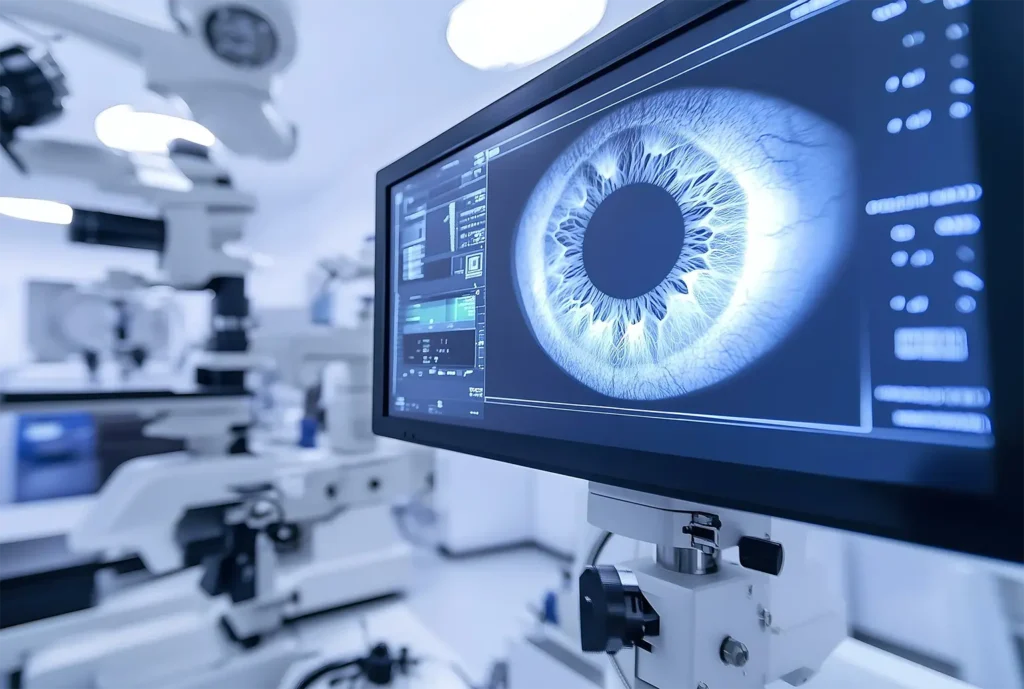
Even experienced ophthalmologists benefit from diagnostic tools. Cataract surgery involves precisely measuring eye structures, selecting the correct IOL, and tailoring treatment to individual anatomy and lifestyle needs.
Modern tools like optical coherence tomography (OCT) and AI‑powered technology like the ZEISS PathFinder play a part in this. By harnessing past learning, PathFinder analyses macular OCT scans in seconds, highlighting abnormalities that an ophthalmologist should pay additional attention to. This allows surgeons to make more well-informed clinical decisions and reduce the risk of postoperative surprises.
Introducing Zeiss PathFinder
What is Zeiss PathFinder and how it works
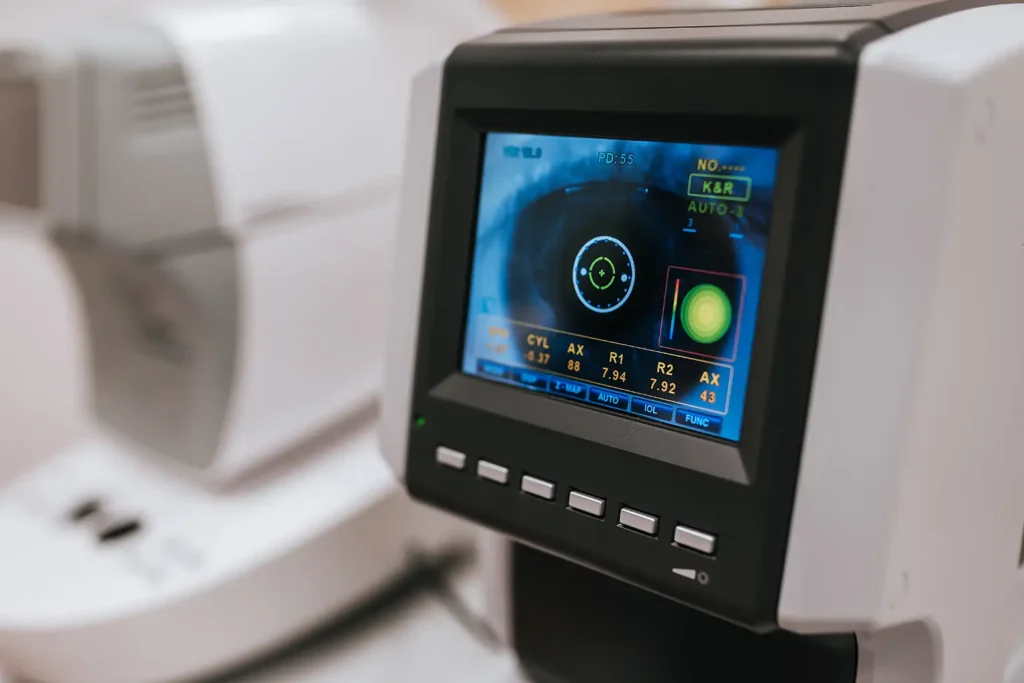
CIRRUS PathFinder, the next-generation OCT from ZEISS, delivers high-speed image capture with HD imaging detail, a wider field of view and artificial intelligence based (AI) decision support for efficient informed decisions.
AI‑powered data analysis
PathFinder uses machine‑learning algorithms trained on large surgical datasets to detect subtle macular changes that may not be evident through human review alone. The enhanced OCT scan interpretation provides clinical support and improved workflow efficiency.
Benefits of Zeiss PathFinder in cataract surgery
1
Detailed insight
PathFinder improves a surgeon’s ability to customise treatment. Identifying subtle changes in the retina allows our team to catch potential problems early, before they impact the success of cataract surgery.
2
Seamless analysis
AI works unobtrusively, analysing OCT scans in the background without disrupting clinical workflows. The findings appear in a clear interface, enabling quick planning without sacrificing accuracy.
3
Improved patient outcomes
By improving ocular health assessments and IOL recommendations, these technologies in our digital age help reduce refractive surprises, which are a key source of dissatisfaction after cataract surgery. The result? More predictable outcomes and improved patient satisfaction.
4
Consistency and reproducibility
AI offers consistent analysis across patients and surgeons. This reliability is especially valuable in high‑volume clinics or when multiple clinicians are involved.
Treatment approaches at Angel Eye & Cataract Centre
Whilst AI has its benefits, it is still a tool in the repertoire of surgeons even in this digital age, and cannot replace a doctor’s insight and experience. Instead, it plays a role in improving eye assessment and treatment plans.
A key part of our approach at Angle Eye & Cataract Centre is ensuring accurate pre-cataract surgery planning, especially when it comes to identifying and managing underlying retinal conditions. Using the PathFinder, we are able to screen for subtle macular or retinal issues that may affect visual outcomes.
AI helps us tailor each procedure to the patient’s unique eye anatomy and condition. It’s a new enabler in modern cataract care that supports clinical decision-making without compromising the personal touch of a human specialist.
If you have a cataract and want to know your options, here is a summary of the treatment options we offer:
Femtosecond laser‑assisted cataract surgery (FLACS)
Femtosecond Laser Treatment, also known as FLACS, is a bladeless procedure used for incisions, capsulotomy and lens fragmentation. This method can improve surgical safety and recovery times, especially for those choosing astigmatism correction. Learn more about femtosecond laser surgery here.

Intraocular lens (IOL) selection
Following lens removal, Angel Eye offers various Intraocular Lens (IOL) options, including monofocal, multifocal, extended depth-of-focus (EDOF) and toric IOLs, depending on your visual goals. We will discuss your lifestyle needs, such as monovision or astigmatism correction, to help you reduce your dependence on spectacles after surgery. Learn more here.

Posterior capsular opacification (PCO) management with YAG laser
PCO, or secondary cataract, can occur in some patients a few years after surgery, leading to blurred vision and glare. Angel Eye offers YAG laser capsulotomy, a painless, non‑invasive procedure performed on‑site that takes less than five minutes to restore vision. Once treated, PCO does not recur. Learn more about PCO and YAG laser treatment here.

Want to know more about AI‑enhanced cataract surgery in Singapore?
At Angel Eye & Cataract Centre, we believe in always striving to improve patient outcomes. And as part of this commitment, we’ve turned to Zeiss PathFinder as a tool to improve diagnoses and treatment outcomes for cataract surgery in Singapore.
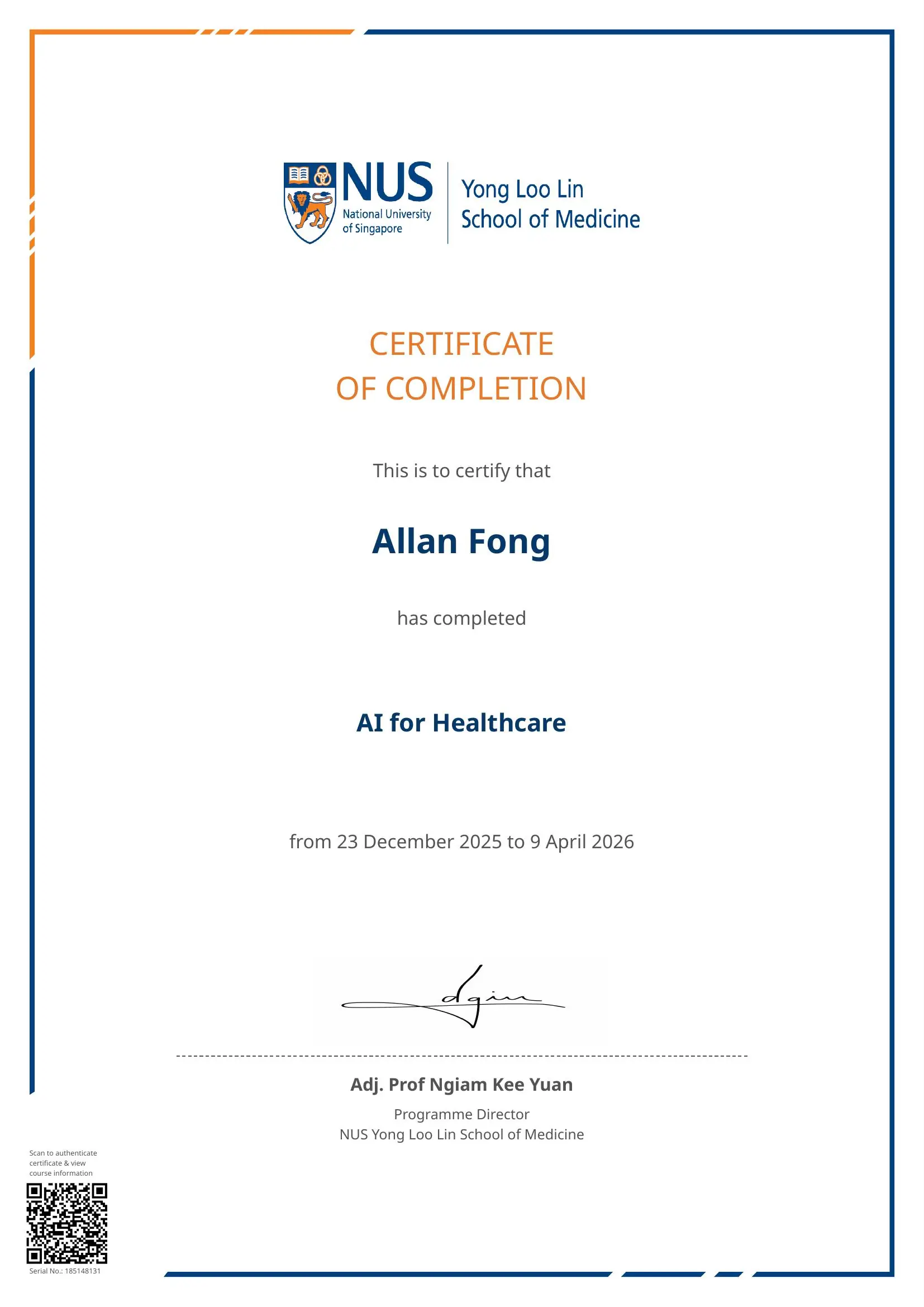
Our founder, Dr Allan Fong, has more than 25 years of experience in medical service and has trained to use a variety of surgical tools over the years. He will be happy to explain to you just how each step of the process is done, with or without the help of AI.