


Eyesight Test for Driving Licence in Singapore
What is Driving Test Accreditation?
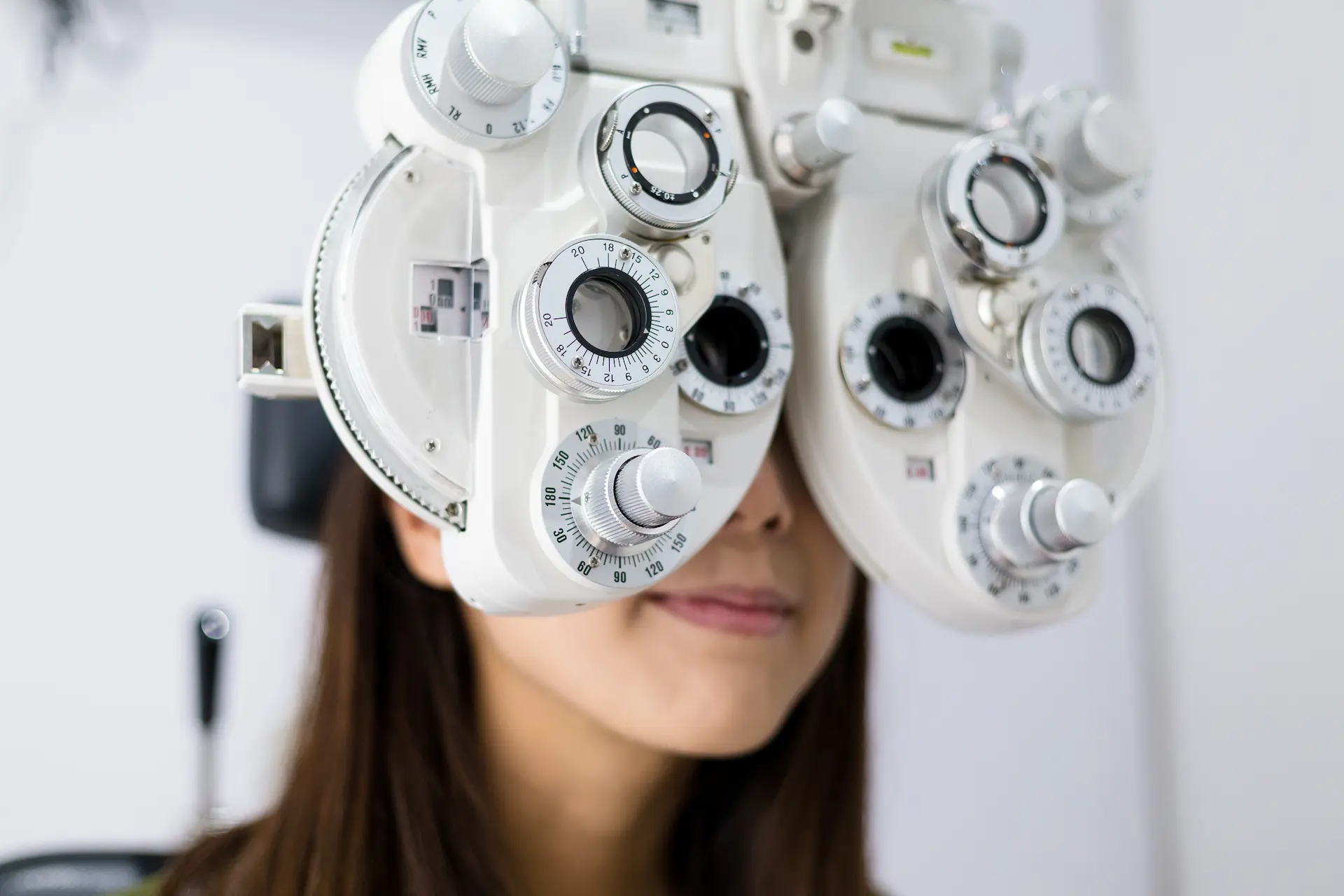
Clear vision is essential for safe driving—from judging distances between vehicles to spotting hazards early and responding quickly to traffic signals. In Singapore, drivers may be required to undergo an eyesight test when applying for or renewing a driving licence, to ensure they meet these safety standards.
At Angel Eye & Cataract Centre, we provide comprehensive vision assessments that meet Traffic Police requirements. We will evaluate your eyesight thoroughly, explain your results clearly and offer timely medical advice if any concerns are identified—so you can stay confident and road-ready.
Who Needs a Driving Vision Test in Singapore?
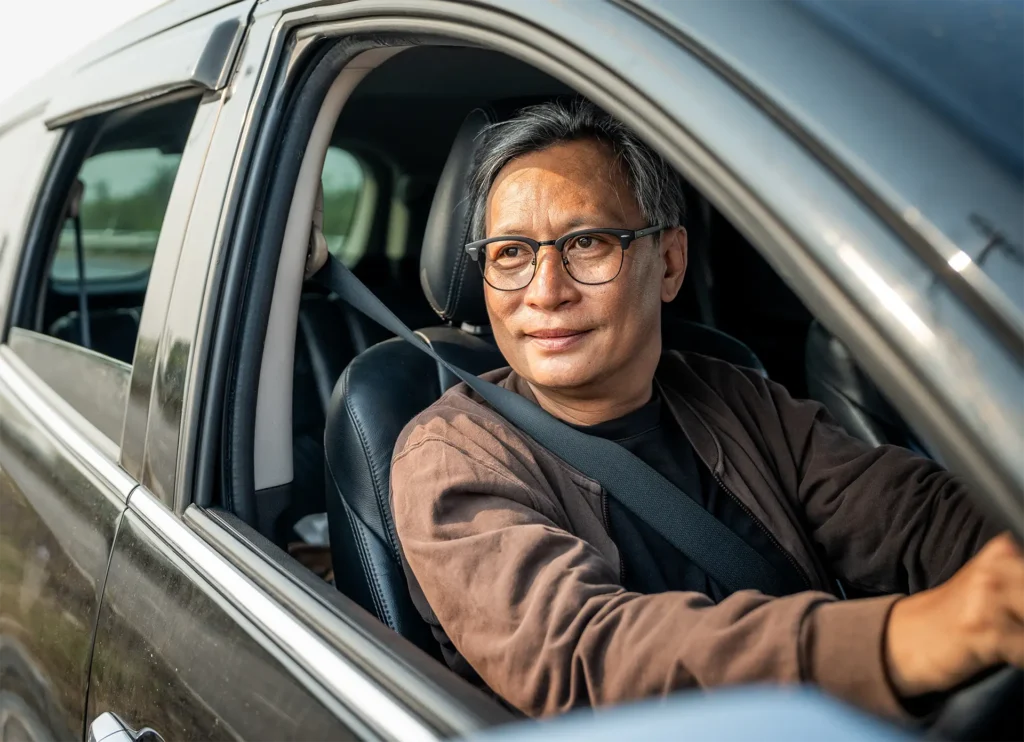
You may need a driving eyesight test if you are:
- Renewing a vocational licence, be it a taxi, bus, or heavy-duty vehicle.
- Aged 65 and above, where a medical examination including vision testing is required every three years for licence renewal.
- Advised by Traffic Police or a doctor to confirm you are fit to drive.
- Experiencing vision changes from conditions or treatments such as cataract, glaucoma, or after eye surgery.
If you are a first-time learner, the eyesight test is typically conducted at the driving centre when registering for a Provisional Driving Licence (PDL), unless a medical assessment is required.
Vision Requirements by Licence Class
Driving vision standards in Singapore vary depending on the licence type and whether the vehicle is used for private or commercial purposes. Here’s a handy guide!
| Licence Type | Who Uses This Licence | Vision Requirements |
| Class 2B | Most beginner riders or food delivery riders | 6/12 in one eye minimum |
| Class 2A | Riders progressing to mid-size bikes | 6/12 in one eye minimum |
| Class 2 | Riders of large touring/sports bikes | 6/12 in one eye minimum |
| Class 3 | Drivers who can operate manual & auto cars | 6/12 in one eye minimum |
| Class 3A | Most private car drivers today | 6/12 in one eye minimum |
| Class 4 | Commercial goods drivers | 6/12 in both eyes + colour vision |
| Class 4A | Bus captains who drive large public/private buses | 6/12 in both eyes + colour vision |
| Class 5 | Operators driving cranes, prime movers, etc. | 6/12 in both eyes + colour vision |
| Taxi Vocational Licence | Taxi drivers (Comfort, SMRT, etc.) | 6/12 both eyes + colour + field |
| Private Hire Vocational Licence | Ride-hailing drivers | 6/12 both eyes + colour + field |
| Bus Vocational Licence | Bus captains or charter bus drivers | 6/12 both eyes + colour + field |
| Drivers aged 65+ | Senior drivers renewing any licence | Medical exam & vision check every 3 years |
Visual Acuity Standards
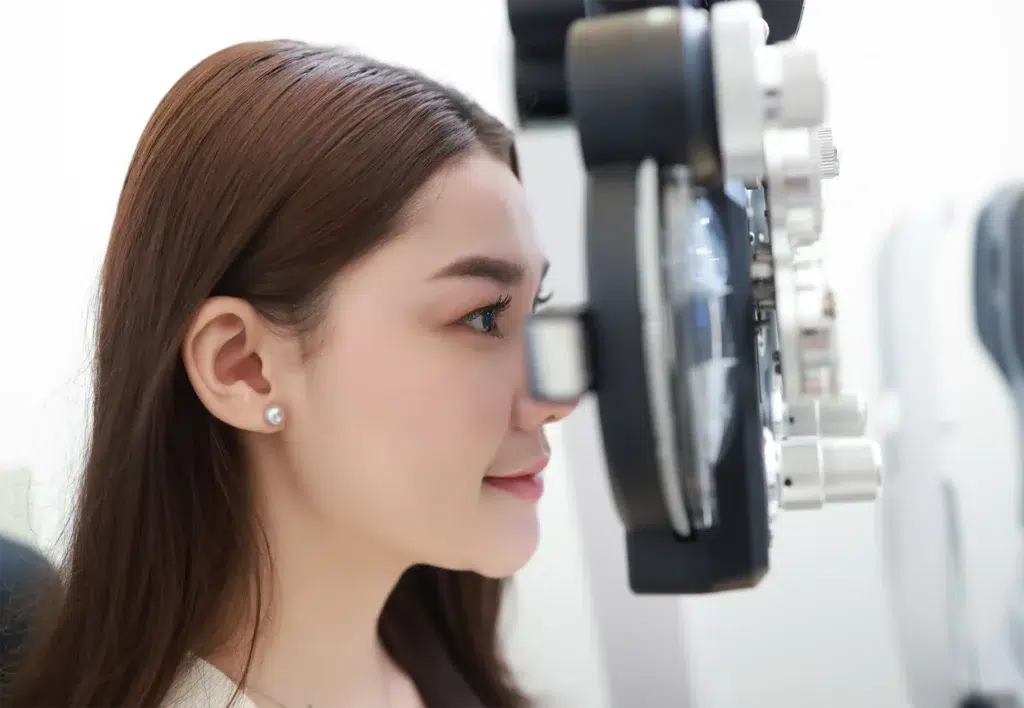
Visual acuity refers to how clearly you can see details at a distance. It is usually measured using a Snellen chart, where you read rows of letters from six metres away, in accordance with medical guidelines.
- Class 2-3 licences: You must see at least 6/12 in one eye, with glasses or contact lenses if needed.
- Class 4-5 and vocational licences: You must achieve at least 6/12 in both eyes.
A score like 6/12 means you see at six metres what someone with standard eyesight sees at twelve metres. So, if the number after the slash is larger, your distance vision is less sharp.
Colour Vision Requirements
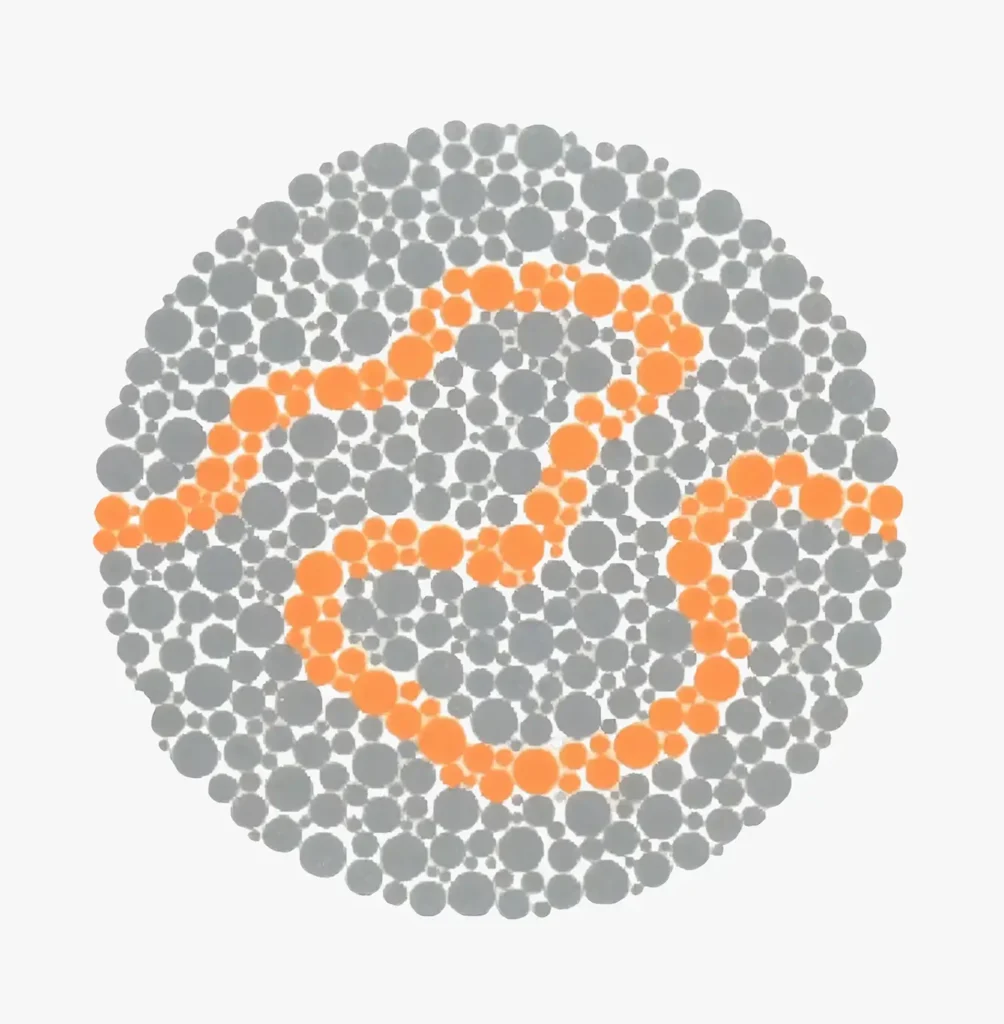
Even if you have colour vision deficiencies, you may still be allowed to drive, provided you can reliably identify red, amber, and green traffic lights, which are essential for safe decision-making on the road.

Visual Field Standards
You will need a horizontal visual field of at least 120° to detect vehicles, pedestrians and hazards from the sides.
If your poorer eye’s visual acuity is below 6/36, you’ll need to get a formal field test to confirm that you have sufficient peripheral awareness.

Visual Function and Reaction Timing
Safe driving depends not only on seeing clearly, but also on how quickly visual information is detected, processed, and acted upon. Delayed visual processing can slow your reaction time, affecting how promptly you respond to sudden hazards, changing traffic lights, or pedestrians entering the road.
Studies involving older drivers suggest that poorer visual acuity and reduced contrast sensitivity — particularly in low-light conditions or with glare — are associated with longer reaction times when responding to road hazards. Conditions such as cataract, glaucoma, and retinal disease may contribute to slower visual reaction timing by reducing clarity, contrast sensitivity, or peripheral awareness.
If you have concerns about how your vision affects your reaction time while driving, it is advisable to speak with an ophthalmologist.
Other Factors Affecting Eligibility
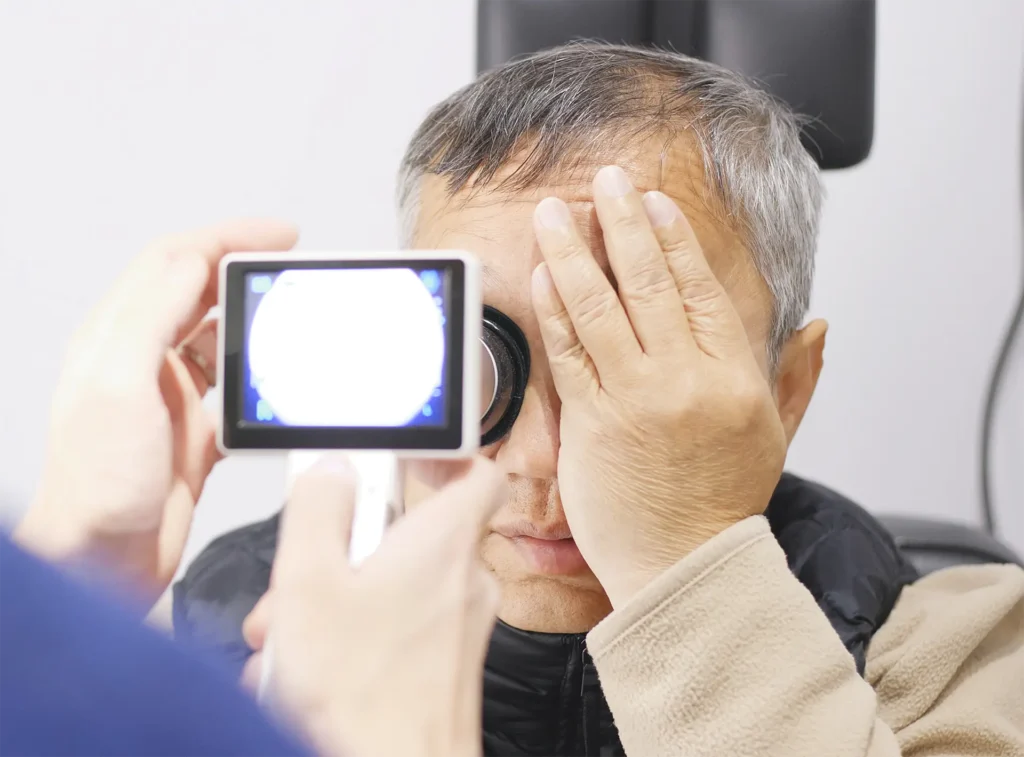
You may need to undergo other assessments if you have:
- Double vision (diplopia), which must be treated or corrected before clearance.
- Eye diseases affecting your peripheral or central vision, such as glaucoma or retinal conditions.
- Recent eye surgery, including cataract procedures.
Preparing for Your Eyesight Test Appointment
1
Bring your NRIC and any existing driving licence.
2
Wear your regular glasses or contact lenses.
3
Do not wear tinted or photochromic lenses during the test.
4
If you have a new prescription, bring your latest optometry report.
5
If you currently use eye drops or have ongoing eye treatment, you need to let our team know during registration.
When to See an Eye Specialist
You should consider seeing an ophthalmologist before your vision test if you have or experience any of the following:
Blurry, hazy, or glare-affected vision while driving
Difficulty reading road signs or recognising traffic signals
Double vision or problems with night driving
Recent or upcoming eye procedures, such as cataract or retinal surgery
Diagnosed eye conditions, including glaucoma or diabetes-related eye changes
What If You Do Not Meet the Vision Requirements?
Not meeting the vision standards during your test does not mean you can never drive. In many cases, vision can be improved or stabilised with appropriate treatment and updated prescriptions.
Our ophthalmologist Dr Allan Fong will explain the reason for the results and discuss suitable next steps, which may include:
- Updating glasses or contact lens prescriptions
- Treating underlying eye conditions such as cataract or glaucoma
Make Sure Your Vision Is Ready for the Road
At Angel Eye & Cataract Centre, we guide you through all the required assessments to confirm that your vision meets Singapore’s driving licence standards. We take the time to explain your results and recommend appropriate treatment or follow-up where necessary.
Our services include:
- Visual acuity testing
- Colour vision assessment
- Visual field testing
- Specialist review for cataract, glaucoma, and other eye conditions
Whether you are renewing a licence, applying for vocational clearance, or undergoing age-related screening, we are here to help.
Meet Our Doctor
Dr Allan Fong
方齐扬医生
Senior Consultant Ophthalmologist
BBM, PBM, MBBS (S’pore), MMed (Ophth),
FRCS (Edinburgh), MRCOphth (London), FAMS
Medical Director
Senior Consultant Eye Surgeon
Visiting Consultant @ SNEC
Adjunct A/Professor, Duke-NUS
Dr Allan Fong is an ophthalmologist with expertise in eyesight test for driving license. Before joining Angel Eye & Cataract Centre, Dr Fong served as the Head of Cataract & Comprehensive Ophthalmology Department at SNEC for 9 years.
Now, as a Senior Consultant at our centre, he ensures that each patient receives a care plan tailored to their unique vision needs. His commitment to their needs and his years of experience in managing complex eye conditions have endeared him to many patients.


Get in touch
Take the First Step Toward Your Eyesight Test
Don’t let unclear vision delay your driving licence. At Angel Eye & Cataract Centre, we offer personalised treatments to alleviate your symptoms and improve your eye health. Schedule a consultation or make an enquiry today!
For urgent enquiries and appointment requests, please call or WhatsApp us directly.
